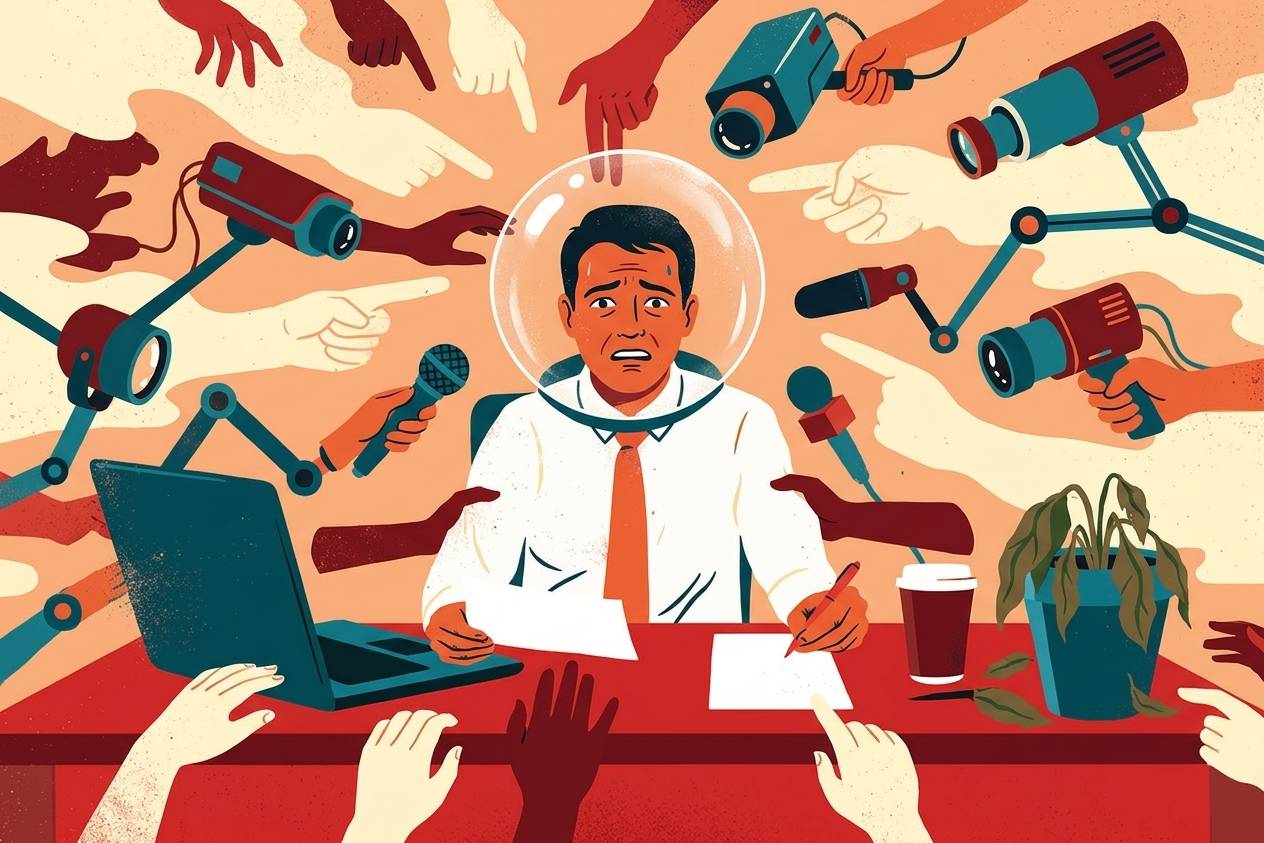
Fast Paced vs High Pressure:
What Is the Difference in UK Job Adverts?
Related Jargon Phrases
“Fast paced” and “high pressure” are often used interchangeably in job adverts. They should not be. While both suggest intensity, they describe very different working conditions. Understanding the distinction can help you avoid burnout, choose roles aligned with your strengths, and ask sharper questions in interviews. This guide breaks down the real difference between a fast paced environment and a high pressure environment, with practical examples relevant to the UK job market.

The Simple Difference
Fast paced = speed of work.
High pressure = psychological strain.
A workplace can be fast without being stressful.
A workplace can be high pressure even if the pace is slow.
Speed and stress are not the same thing.
Fast Paced vs High Pressure: Compared
In UK job adverts, phrases like “fast paced environment” and “high pressure role” often appear side by side, sometimes even in the same sentence. While they sound similar, they signal very different working conditions and expectations.
A fast paced role refers primarily to speed and volume. Work moves quickly, priorities can shift, and you’re expected to keep up with a steady flow of tasks. This is common in sectors like retail, hospitality, media, and startups. The emphasis is on efficiency, adaptability, and maintaining momentum. A fast paced job can be energising, especially if you enjoy variety and staying busy.
By contrast, a high pressure role relates to stakes and consequences. The workload may or may not be constant, but when it matters, it really matters. Deadlines are critical, mistakes are costly, and performance is closely scrutinised. These roles are typical in fields like finance, law, healthcare, and senior management. The pressure comes from responsibility rather than speed.
The confusion arises because fast paced roles can sometimes become high pressure if poorly managed. For example, a job that is both understaffed and deadline-driven may combine the worst of both worlds. However, in well-run organisations, the distinction holds:
- Fast paced = lots to do, quickly
- High pressure = important outcomes, little margin for error
Understanding this difference helps you read between the lines of job adverts. “Fast paced” can be a positive sign of a dynamic environment, but it may also hint at heavy workloads or constant demands. “High pressure” is more of a warning that resilience and stress tolerance will be essential.
How to Navigate These Roles When Applying
Before applying, look beyond the buzzwords. Check for clues elsewhere in the advert such as team size, support structures, and expectations around overtime. During interviews, ask direct questions about workload, deadlines, and how success is measured.
If you thrive on activity and variety, a fast paced role may suit you well. If you’re comfortable with responsibility and high stakes decision-making, a high pressure role could be rewarding. The key is alignment with your strengths and limits.
Aim to choose a role where the demands match your working style, not just your ambitions. That’s how you protect both your performance and your wellbeing.
Side by Side Comparison
| Factor | Fast Paced | High Pressure |
|---|---|---|
| Core Focus | Speed | Stakes and consequences |
| Main Risk | Overwhelm from volume | Stress from accountability |
| Measured By | Output per time | Impact and targets |
| Can Be Healthy? | Yes, with structure | Yes, with support |
| Burnout Trigger | Poor planning | Fear culture or unrealistic expectations |
Industries Where They Differ
Fast Paced but Not High Pressure
- Hospitality service roles
- Retail operations
- Event coordination
- Junior agency roles
These roles move quickly but consequences are often manageable.
High Pressure but Not Fast Paced
- Senior compliance roles
- Legal advisory positions
- Strategy consulting
- Finance governance
Work may be measured and deliberate, but consequences are serious.
Both Fast and High Pressure
- Recruitment
- Commission based sales
- Start ups in growth phase
- Investment banking
- Crisis communications
These environments require strong stress management skills.
Which Suits You Better?
You may thrive in fast paced environments if:
- You enjoy momentum
- You dislike repetitive tasks
- You are energised by variety
You may thrive in high pressure environments if:
- You are comfortable with accountability
- You perform well under scrutiny
- You remain calm when stakes are high
You may struggle if:
- You need predictability
- You are sensitive to constant evaluation
- You dislike public performance metrics
Self awareness is critical.
Frequently Asked Questions
Is fast paced worse than high pressure?
Neither is inherently worse. The danger comes from poor structure or poor leadership.
Why do job adverts combine both phrases?
It signals ambition and intensity. It also filters out applicants who prefer slower environments.
Can a company change from fast paced to high pressure?
Yes. As organisations grow, accountability often increases even if pace stabilises.
How do I research the reality?
Look for patterns in employee reviews mentioning burnout, micromanagement, or lack of support. Isolated comments matter less than repeated themes.
Final Thought
Fast paced describes how quickly work moves while high pressure describes how heavily it weighs on you. The healthiest workplaces manage both through structure, clarity and support while the most damaging ones rely on resilience instead of systems. When you learn to distinguish speed from strain, you make stronger career decisions for your own work-life balance.